
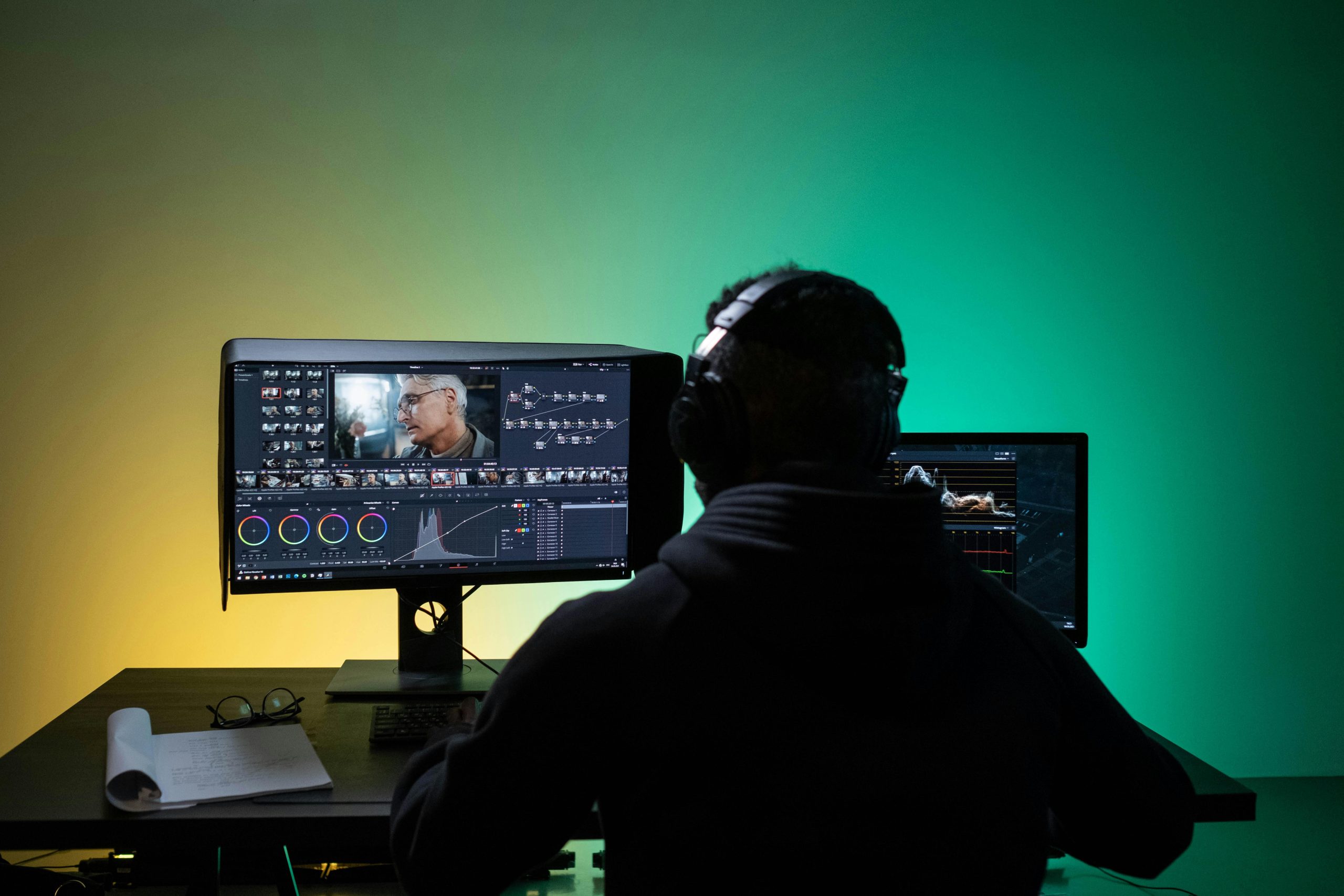
Video editing is one of the hottest freelance skills today, in the ever-changing world of creative work. Whether it’s YouTube videos and TikTok reels or in-depth, well-branded documentaries, editors are at the center of contemporary storytelling. In the past, payment to them has been in Fiat currency via accepted freelance jobs or agency-based contracts.
However, a more and more popular question that has emerged with the advent of blockchain-enabled creator economies is: could video editors begin accepting crypto, let Bitcoin, Ethereum, or btcusdt as opposed to conventionally earned freelancing rates?
As decentralized platforms have gained popularity and creators discover new opportunities to collaborate and earn money worldwide, cryptocurrency is becoming an alternative to PayPal invoices and wire transfers. There are already some editors who have been trying to earn tokens through their work, whether on a decentralized video platform, participating in an NFT project, or a creator DAO with a bounty payout and revenue sharing via smart contracts.
It is a modest transformation, not the sort likely to upend digital culture as we know it, a transformation, however, that heralds a much more fundamental change in the appreciation and monetization of creative labor.
Crypto Payments and Their Attraction to Editors
Video editors, like freelancers in general, face a combination of late payments, high commissions on platforms, and unreliable client outcomes. A possible way to resolve many of these issues is through the use of cryptocurrency payments. They are also able to be speedy, unconfined, and moderately recompense-free in comparison to websites, such as Upwork or Fiverr.
For example, video editors will even be able to receive partial payment in advance or lock in automatic splits upon project completion, utilizing smart contracts and blockchain wallets.
It is not only because it is fast or convenient. There is also a financial upside, as many editors within crypto-native communities are drawn to it. When one receives payment in tokens, particularly during a bullish market, a small editing job may become a much more profitable one. Should the token pegged to a project gain value, editors would essentially receive a share of the ecosystem instead of a fixed service rate.
This model unites the incentives between contributors and the contributors. Once a piece of work is assigned to an editor and is related to a tokenized video series or a collection of NFTs, the reward is proportional to the project’s rise in popularity. This is more interesting and can make one more money as opposed to a normal hourly rate for many.
The Front-runners of Platforms and Projects
Several blockchain-based initiatives are promoting this transition. Decentralized content platforms, such as Odysee, Theta Network, and Livepeer, are creating alternative revenue streams by allowing creators to be funded and host their videos in a crypto environment. These platforms are still new and cannot expect anywhere near the same user counts as YouTube or Vimeo, but they do provide a sandbox where crypto-native creators and partners can fall and learn.
Editors can be employed in such ecosystems either as a part of a DAO governance mechanism or bounty boards, where actors are paid in the tokens of a particular platform. The task may involve cutting advertising videos, editing educational videos, or creating intro animations for blockchain explainers. After it is done, the editor will be able to receive tokens directly to their wallet, without needing to involve banks and intermediaries.
The other hot zone involves NFT projects. Motion graphics creators produce short films, which they mint as NFTs, but collaborate with editors to bring the idea to life. Editors, in most cases, receive cryptocurrency payments as an upfront amount or a percentage of the NFT sales. In this respect, the editor is not merely a service provider but a creative stakeholder in the success of the material.
The Risks and Realities
Although the idea of making money with crypto by working as a video editor is thrilling, it is not that easy. Cryptocurrency is subject to volatility and the price of a token you get today may be substantially cheaper than that of tomorrow. Editors who have not invested financially to deal with such fluctuations might end up short of their effort in case token prices take a plunge.
There is also the liquidity issue. Not every project token is traded through the largest exchanges and the conversion into stablecoins or fiat might imply an extra procedure or charge. Editors must perform calculations on the gains of decentralization in terms of risks and potential profits in the future.
Additionally, there are legal and tax implications. Being paid in cryptocurrency implies that editors are required to follow transactions diligently and comply with the regulations of their local jurisdiction governing reports on digital assets. This makes the freelance source of income more complicated compared to the past, when it was a simpler stream.
One more issue is the organization and professionalism of specific crypto-native projects. They are not all properly organized and financially stable. Editors should exercise caution when considering taking on token-based gigs, as they would when accepting any other form of contract in the conventional freelance literary industry.
Putting Freelance Norms Behind in the Future
The trend is inevitable that someday not every video editor will get a fiat-based income. Increasingly, editors are turning to models of token compensation, which not only provide payment but also involve them in collaborative efforts. These are not editors working on projects; they are investing in labour.
The editor will become an integral part of the blockchain ecosystem, and as community technology becomes more decentralized, the tools and currencies they work with will also change. The outcome may be a new wave of the creator economy, where video editors are not only paid but also given ownership, their voice, and a stake in the digital narratives they help construct.
